Matthew Charles Houder Fund for Pediatric Orthopaedic Research
Offering Hope To The Next Generation Of Children
When you have a few minutes, please watch this video about Matthew with the sound TURNED UP! Matt would like that.
Matthew's Story
Someday, each of us will be sitting in a doctor’s office – for ourselves, for our child, or with a loved one – and be told that something is wrong. When that happens, the only question is “now what?”
Thankfully, more often than not, there are good answers to that question and, even in cases where the answer isn’t easy, there is almost always a path lined with promise and hope.
In our case, the “now what?” questions came on the day our son Matthew was born. After an uneventful pregnancy, our first child Matthew was born on July 31, 2006. Almost everything that could go wrong – did go wrong. Matthew was born with significant physical and developmental disabilities and our family was immediately overwhelmed by all the things that were “wrong” and at the same time consumed by finding answers to the question of “now what?”
Thankfully, we found ourselves at the Children’s Hospital of Philadelphia (“CHOP”) and, while there was no cure for Matthew’s disabilities, CHOP did offer idea after idea and one groundbreaking treatment after another. Matthew endured 37 surgeries over his life, many of which employed devices and techniques that were pioneered and perfected at CHOP. Each and every one of them provided Matthew, and our family, which grew to include Matthew’s two brothers and sister, with new hope.
Matthew was one of those children born every day who have no overarching diagnosis. He was a unique collection of symptoms and needs and among all of the medical interventions he received, the most important were the orthopaedic surgeries and implanted devices that allowed his severely curved spine to grow and straighten sufficiently so that his heart and lungs had room to grow.
Ultimately, despite the life-changing efforts by everyone at CHOP, Matthew’s disabilities ultimately proved to be too much and, on March 2, 2021, he passed away at the age of 14.
With all that we experienced with Matthew during his life, we were always acutely aware that all of the answers and reasons for hope that were given to us – were provided by a long legacy of those who came before us. All of the things that Matthew benefited from – things that allowed him to learn to walk – and go to school – and to live at home mostly free from daily medical intervention – were things that other families like ours and other kids like Matthew helped doctors and researchers to figure out. They figured it out so that when our time of need came – there were possibilities and hope.
The Children’s Hospital of Philadelphia is a world leader in researching and developing ground-breaking and life-saving treatments for kids like Matthew. However, the cost of the research that leads to new understanding isn’t the kind of thing that insurance companies pay for. It requires the kind of philanthropy that funds things like the Matthew Charles Houder Fund for Pediatric Orthopaedic Research. The idea behind creating this Fund at CHOP is to reach a level where the Fund will perpetually support the efforts of research fellows at CHOP. Research fellows are fully trained medical doctors or accomplished researchers who apply for a one-year fellowship at CHOP to explore important research topics. CHOP’s history with other such fellowships has resulted in significant advances and breakthroughs. Most importantly those CHOP fellows go on to long and productive careers as physicians and researchers all across the United States and the world.
Most importantly, while this type of research certainly benefits unique children like Matthew, it also sows the seeds of understanding – understanding about how the human body works at a fundamental level – why bones grow the way they do – why cartilage and ligaments break down and how to best repair them. All of these paths of research lead to broader understanding that end up having much wider application. So for every kid like Matthew with a congenital spine defect in need of correction, there is a grandmother with osteoporosis or an uncle with a degenerative knee or hip – and by developing a more fundamental understanding of how the human skeleton works – its bones, ligaments, cartilage and other tissue – we can learn how to keep it healthy longer and help repair it more completely when it gets injured.
That is our greatest hope – that Matthew’s legacy can be one of gratitude – gratitude for all those who sacrificed before us so that Matthew could live a better life – and also a platform for others to use to learn more so that kids born tomorrow, next month, or in the years to come, can live longer, healthier lives.
Our Family of Donors
We’ve received 573 donations from 327 donors from 25 states with donations ranging from $10 to $150,000. Reaching our $1,500,000 goal will ensure Matthew’s Fund becomes an Endowed Fellowship, providing perpetual, critical support to pediatric orthopaedic research and recruiting the most talented young physicians and scientists to CHOP.
Amount Raised: $1,139,361
Goal: $1,500,000
Matthew’s Fundraising Team
Grace Houder - Henry Houder - Will Houder
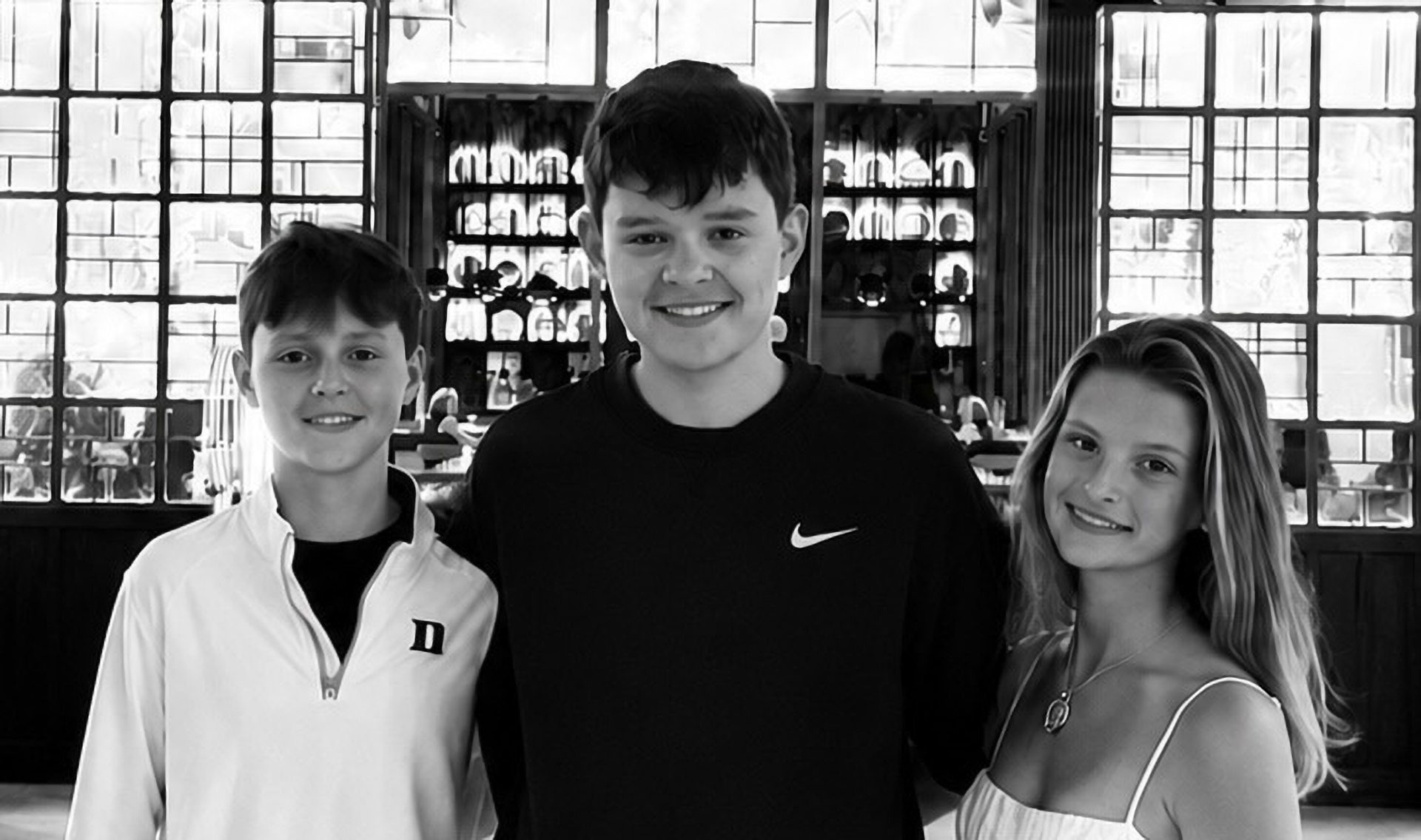
In addition to Matthew’s parents, Matthew’s siblings, Grace (17), Henry (17) and Will (15) have become an integral part of creating an endowed fund in their brother Matthew’s memory. Having lived their whole lives as assistant caregivers for Matthew throughout his life and his many, many life-saving surgeries, they spent their formative years understanding not only the challenges that Matthew faced, but how crucially important the work of Children’s Hospital of Philadelphia was in Matthew’s life. The type of research that the Matthew Charles Houder Fund for Pediatric Orthopedic Research supports is the kind of research that allowed their brother to live the life that he did and Grace, Henry and Will are dedicated to making sure that other kids get the chance to benefit from the advanced treatments that Matthew’s Fund will help create.
Current & Past Fellows

Abhishek Bhatt
2026-2027 Fellow
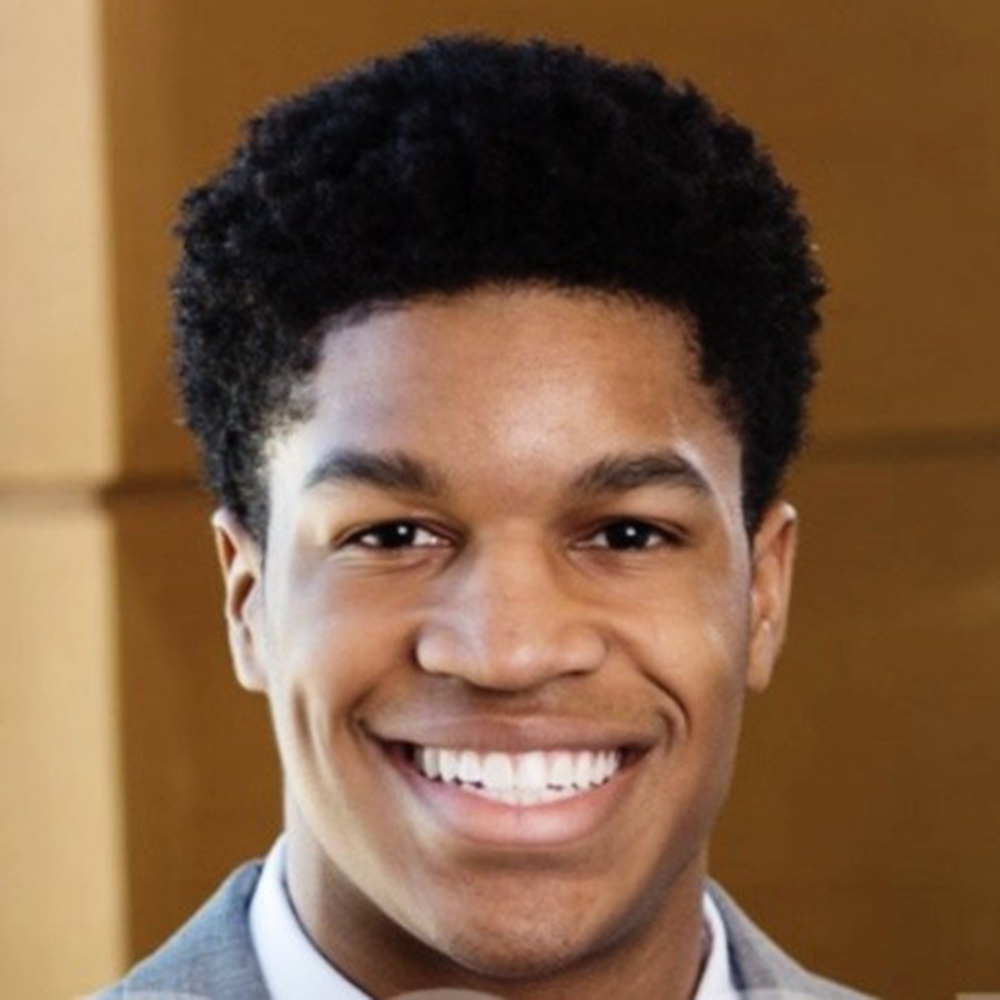
Abhishek Bhatt is the current fellow supported by the Matthew Charles Houder Fund, dedicating a year to this research while a medical student at the University of California, San Diego. He earned his undergraduate degree in biochemistry from the University of California, Berkeley, where he was also a Fung Fellow. Through the Fung Fellowship, he developed experience in human-centered innovation and worked with nonprofit and nongovernmental organizations to design and implement solutions aimed at improving communities on a global scale. His research interests center on innovation in pediatric orthopedics, spine surgery, and musculoskeletal development. As a Houder Fellow, he is working to develop a chicken embryo model of scoliosis that can be used to investigate the molecular pathways underlying congenital spinal deformities. He is also studying how mechanical compression alters growth plate morphology in bovine models, with the goal of improving the understanding of growth modulation and skeletal development. Abhishek hopes to build a career that combines clinical medicine, translational research, and innovation to advance the treatment of spinal and musculoskeletal disorders.
Jacob Jordan
2024-2025 Fellow
Jacob earned an undergraduate degree in Biology from the University of Pennsylvania where he participated in the Vagelos Life Sciences and Management Program, which is a dual degree program between Penn’s Wharton School of Business and the College of Arts and Sciences. After graduation, Jacob worked as an analyst in the healthcare investment banking group at JP Morgan. Jacob is currently in his third year of medical school at the Perelman School of Medicine at the University of Pennsylvania.
Jacob Jordan Update!
Jacob Jordan was the fellow supported by the Matthew Charles Houder Fund in Pediatric Orthopedic Research during 2024-25. His work focused on using electrical current to reproduce scoliosis in embryonic chickens. Jacob spoke on his development of these models at the 2026 J. Robert Gladden Orthopedic Society Resident and Medical Student Abstract Competition, where he won first place for his project, “Novel Targeted Avian Model for Congenital Scoliosis.” This year, Jacob was lead author for the first paper analyzing force levels needed to straighten the spine during lengthening procedures with both VEPTR and traditional growing rods. Collaborating with CHOP’s CTIS team, he identified differences in the amount of force required. Understanding these variations will inform the appropriate force levels to apply in next generation technology and ultimately lead to patient- and deformity-specific lengthening forces. This work was published in February 2026 in the journal Spine Deformity. Jacob has matched for a residency in orthopedic surgery at the Hospital of the University of Pennsylvania and with his combined interests in surgery, research and business – he holds great promise as a future leader in his field.
Dr. Axel C. Moore
2022-2023 Fellow
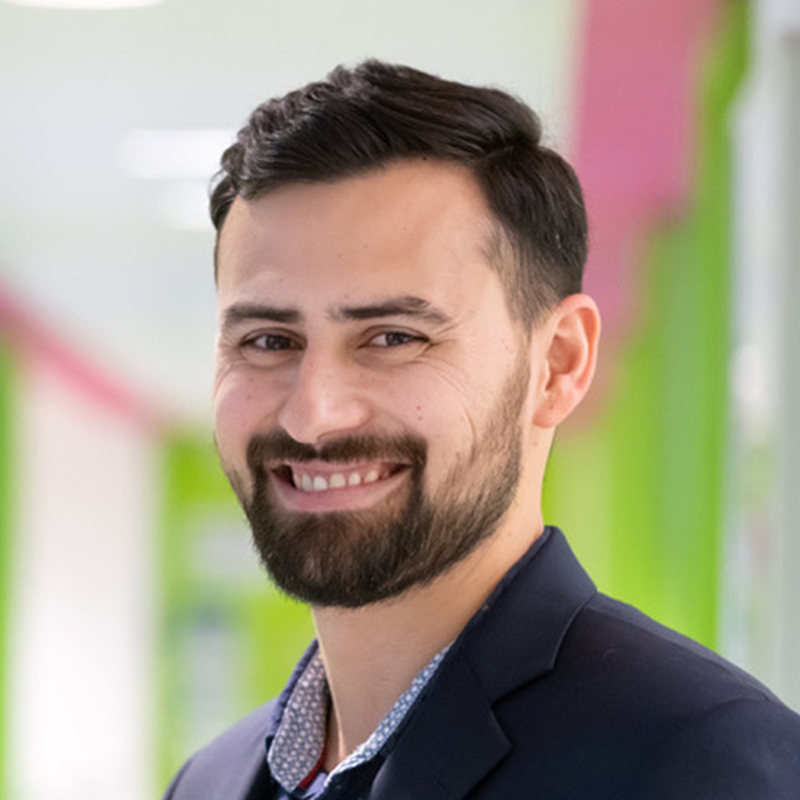
Dr. Moore earned his BS in Marine Engineering at the California Maritime Academy in 2012, then went on to pursue a PhD in Biomedical Engineering at the University of Delaware. His doctoral work centered on the mechanics of soft hydrated materials, namely articular cartilage, and the mechanics that underlie fluid recovery. Following this, he received a post-doctoral fellowship to work at Imperial College London specializing in biomaterials design and tissue engineering for bone and cartilage applications. He then joined the University of Delaware as a Research Scientist and developed an in vivo model of spinal deformity (scoliosis) to understand the mechanisms and effects of spinal growth modulation and deformity correction.
Support from the Matthew Houder Fund for Pediatric Orthopaedic Research aided Dr. Moore in collaborating with Dr. Patrick Cahill and the Wyss/Campbell Center for Thoracic Insufficiency Syndrome at CHOP. This collaboration advanced the comprehension of the fundamental science underlying early onset spine disorders, shedding light on their propagation, and exploring alternative approaches for patient care and treatment.
After completing his Houder Fellowship, Dr. Moore accepted a position and is currently an Assistant Professor of Biomedical Engineering at Carnegie Mellon University in Pittsburgh.
”This type of research is only happening at CHOP: nowhere else in the world could a researcher of Axel’s caliber receive similar training focused solely on scoliosis and spine disorders - and it is not possible without support from the Matthew Houder Fund.
Patrick Cahill, MD
Fellowship Advisory Team
Children’s Hospital of Philadelphia (CHOP) is the nation’s first hospital devoted exclusively to the care of children. Since our start in 1855, CHOP has been the birthplace for countless breakthroughs and dramatic firsts in pediatric medicine.
The Department of Orthopaedics at CHOP is the best in the world and is led by a team of dedicated physicians, researchers and scientists. The Matthew Houder Fund is fortunate to have these individuals guiding its activities and research initiatives.


Patrick J. Cahill, MD
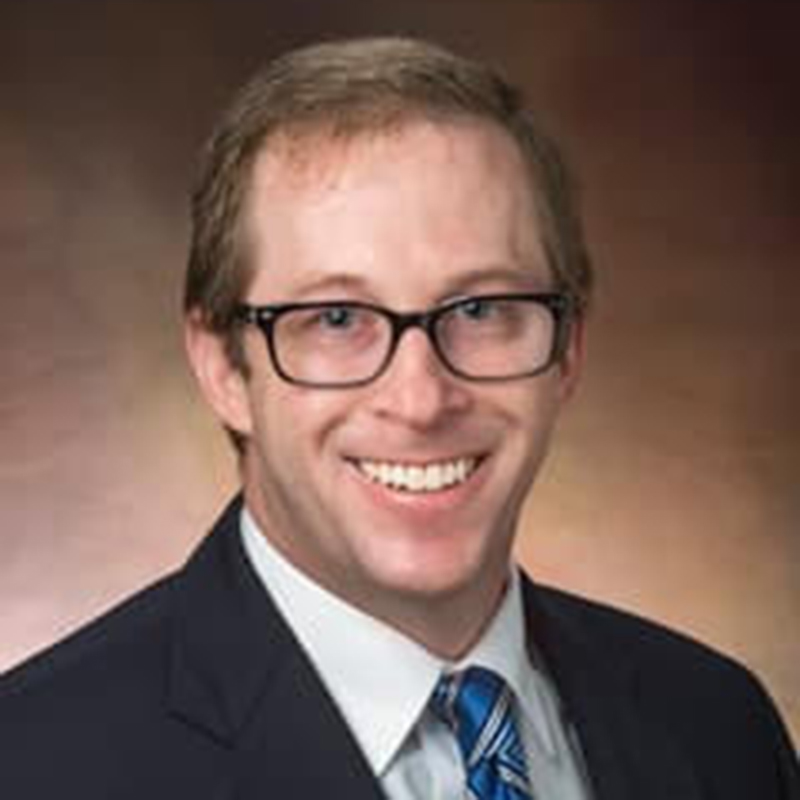
Dr. Cahill is an attending physician in the Division of Orthopaedics and the Robert M. Campbell Jr. Endowed Chair in Thoracic Insufficiency Syndrome at Children’s Hospital of Philadelphia. Dr. Cahill’s practice is centered around treating disorders of the spine, including adolescent idiopathic scoliosis, Scheuermann’s kyphosis, infantile scoliosis, neuromuscular scoliosis, complex congenital anomalies of the spine, spondylolisthesis, fractures of the spine, cervical spine disorders, and growth modulation solutions to spinal deformity. In 2014 and after FDA approval for use in the United States, Dr. Cahill was the first pediatric spine surgeon in this country to use a magnetically expandable growing rod for care of early-onset scoliosis. He continues to be one of the leading physicians pioneering new technology. Dr. Cahill was Matt’s surgeon for numerous surgeries. He preserved and saved Matt’s life many times over.
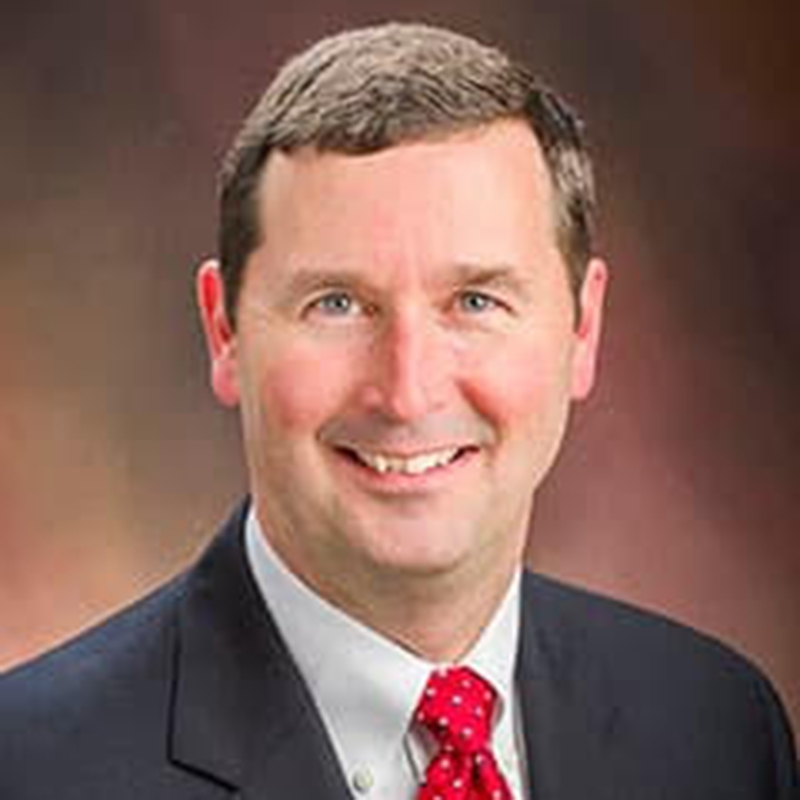
John M. Flynn, MD
Dr. Flynn is Chief of the Division of Orthopaedics at Children’s Hospital of Philadelphia and a nationally recognized leader in the field of pediatric orthopaedic surgery. He holds the Richard M. Armstrong Jr. Endowed Chair in Pediatric Orthopaedic Surgery. Dr. Flynn is one of a small group of surgeons in the country with a focus on spinal disorders in very young children. Dr. Flynn helped found CHOP’s Center for Thoracic Insufficiency Syndrome in 2004, the nation’s first multidisciplinary program created to treat children with thoracic insufficiency syndrome and early onset scoliosis. He pioneered use of magnetic lengthening growing rods at CHOP, saving many young children from repetitive surgery. Dr. Flynn’s leadership extends beyond CHOP. He has been President of the Pediatric Orthopaedic Society of North America, President of the Children’s Spine Study Group, Research Committee Chair of the Scoliosis Research Society, he co-chaired the International Pediatric Orthopaedic Symposium, and is serving a 10-year team as a Director of the American Board of Orthopaedic Surgery. Dr. Flynn has published more than 250 peer-reviewed scientific articles, reviews or textbook chapters. He is editor of three principal texts in pediatric orthopaedic surgery: Lovell and Winter’s Pediatric Orthopaedics; Rockwood and Wilkins’ Fractures in Children; and Operative Techniques in Orthopaedic Surgery. Dr. Flynn has served as a Visiting Professor at more than 60 academic centers nationally and internationally, speaking on improving quality, safety and value in pediatric spine deformity, optimizing care of pediatric fractures, and work-life integration and wellness for surgeons and physicians.
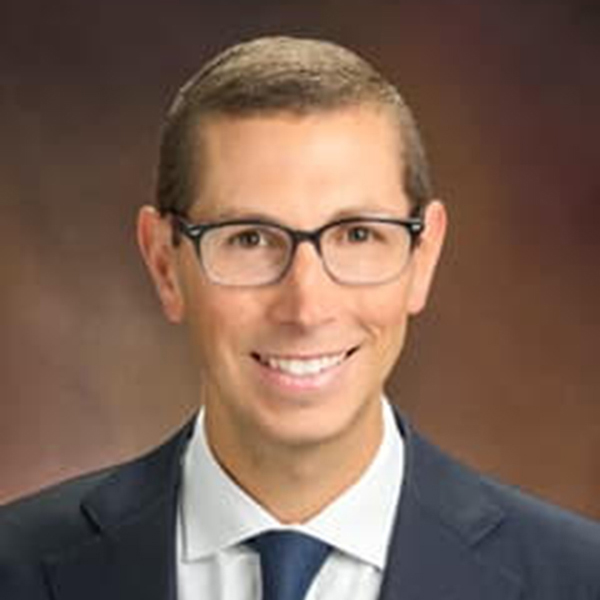
Jason B. Anari, MD
Dr. Anari is is a pediatric orthopaedic surgeon, specializing in the treatment of spine disorders in children, with the Division of Orthopaedics at Children’s Hospital of Philadelphia. Dr. Anari fell in love with the musculoskeletal system and the puzzles related to fixing fractures and correcting deformity. “While in medical school I observed a scoliosis operation and saw firsthand what goes into caring for children with spinal deformity” recalls Anari. It was there he gained a deep appreciation for how a successful scoliosis correction can benefit patients and their families. He knew then what he wanted to spend the rest of his life practicing. “Pediatric orthopaedic spine surgery is a very exciting field as lots of research is currently underway.” Dr. Anari goes on to say, that some of the biggest gains in the last 20 years deal with how spinal deformity is managed in children under the age of 10 – a particular interest of his. “Historically, fusion surgery was performed in young children to prevent the curves from progressing. Now, we have new technology to allow for spine and chest wall growth, which promotes lung development and helps control spinal deformity into adolescence and adulthood.” Dr. Anari spends most of his days trying to keep children out of the operating room. He gets excited about new technology and research that enables him to better manage a patient’s underlying pathology, or disease, while ultimately allowing a child to be a child. His current research projects include understanding how children respond overall to chest wall surgery in thoracic insufficiency (TIS). He’s working to identify which patients with early-onset scoliosis are at risk for unplanned surgery in an attempt to limit anesthesia exposure to the developing brain. Part of Dr. Anari’s research also focuses on pediatric lower extremity fractures detailing the change in practice patterns over the past few decades. Another passion of his is adolescent idiopathic scoliosis. Currently, he is working on the development of a classification system to evaluate radiographic outcomes following spinal fusion surgery in the modern era.
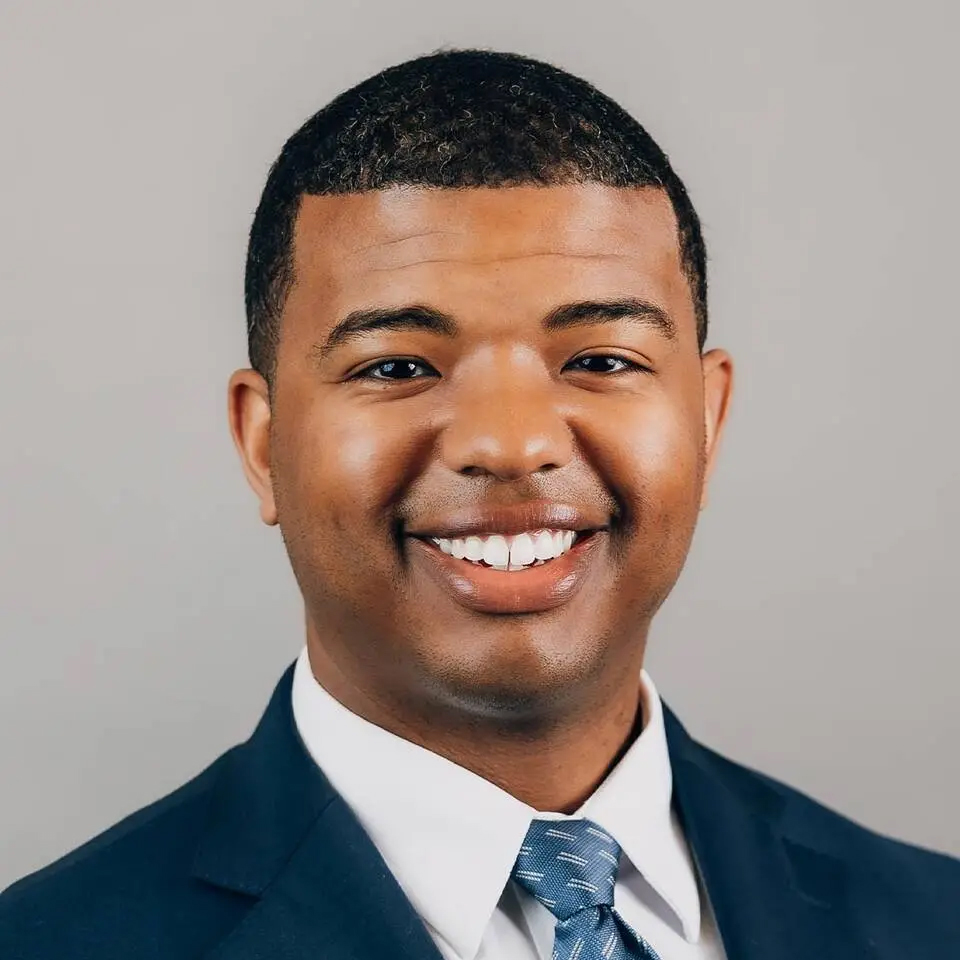
Blake Montgomery, MD
Following a national search, the CHOP Orthopedics recently welcomed Blake Montgomery, MD, as its newest surgeon. Dr. Montgomery earned his medical degree at the University of Missouri, Kansas City School of Medicine, before completing a residency in orthopedic surgery at Stanford University. He is one of few surgeons with fellowship training in both pediatric orthopedic surgery and pediatric spine surgery, having served the former at Boston Children’s Hospital/ Harvard Medical School and the latter at Starship Children’s Hospital in Auckland, New Zealand. Dr. Montgomery’s primary research interest is early onset scoliosis and how to prevent autofusion following the insertion of growing rods. He is using mouse models to study growing rods’ effects on the spine at the molecular level to better understand why spinal stiffening happens and to develop treatments that prevent or reduce it.
In Memoriam
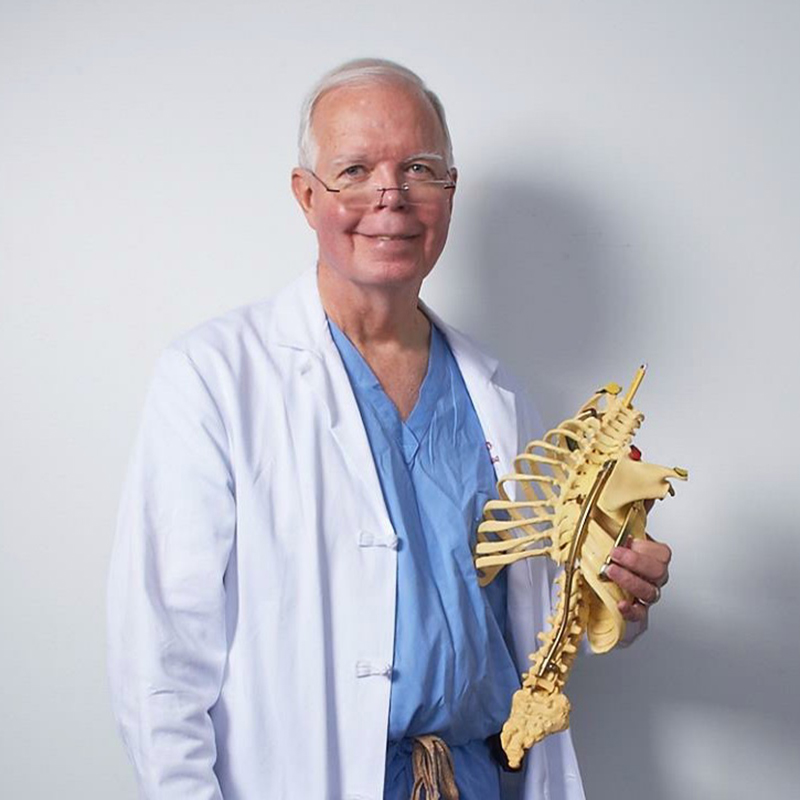
Robert M. Campbell, Jr., MD
Dr. Campbell was Matthew’s surgeon for over 20 of Matt’s 37 surgeries. He passed away on July 29, 2018. Dr. Campbell was a giant in his field – a world-renowned pediatric orthopaedic surgeon whose innovative thought-leadership and inventions changed the world’s approach to caring for children with complex and life-threatening spine and chest wall deformities. In 2009, he opened CHOP’s Center for Thoracic Insufficiency, attracting children from around the world, many of whom were previously told “nothing can be done.” Dr. Campbell is best known as the inventor of VEPTR. His invention became the standard of care throughout the world, saving or extending the lives of children with previously untreatable conditions. Dr. Campbell and Dr. Cahill combined to preserve and save Matthew’s life many times over. He will be deeply missed by his family, patients and colleagues, but he has left a lasting legacy through his ideas, inventions, the many surgeons and physicians he trained and, most importantly, the families he sustained.
Donate
If you would like to make a donation to support Matthew’s Fund, please click on the Donate button below and it will take you to a CHOP-supported website.
”There is so much promise and potential with seeking better outcomes for our patients through new, innovative research. For example, we hope to understand why certain spine disorders happen at a cellular level to prevent these conditions before they happen.
Dr. Patrick CahillChildren’s Hospital of Philadelphia (CHOP)
Contact
If you would like to learn more about this Fund or would like to consider a more substantial donation or a structured donation, please contact us and we can provide you with more information and connect you with the philanthropy team at Children’s Hospital of Philadelphia.
The Matthew Charles Houder Fund for Pediatric Orthopaedic Research
And did you get what
you wanted from this life, even so?
I did.
And what did you want?
To call myself beloved, to feel myself
beloved on the earth.
– R. Carver
